Reviewed · TOURS
Puffin Tour
Cliffside puffins steal the show. I like this one because it starts at 7:00 pm and leans into the real drama of the Caithness coastline, with puffins flying close overhead and diving to feed their young.
What I love most is that puffins are guaranteed, and your guide team knows how to help you spot them fast, not just hope for the best. I also like that you get binoculars and ID guides, which turns random bird watching into actual identification and better sightings, especially when the light is fading.
One thing to consider: this tour depends on good weather, and high winds can make walking unsafe or lead to cancellation. If you’re the type who hates last-minute changes, plan to be flexible.
In This Review
- Key points before you go
- Duncansby Head at sunset: why puffins here feel so close
- Meeting at Thurso Harbour: how the tour gets you started right
- The 3-hour rhythm: what happens on the Duncansby Head walk
- The big payoff: seeing puffins use their burrows
- Route options: easier paths and tougher trails
- Wildlife spotting beyond puffins: what to watch for (and what might be luck)
- Seabirds you’ll likely scan for
- Grey seals, plus a chance at bigger ocean animals
- Otters as an occasional bonus
- Jess and the ecologist-led approach: how you learn while you watch
- Weather reality: how wind and safety affect your evening
- Price and value: is $69.35 worth it?
- Who should book this Puffin Tour, and who might pass
- Should you book the Seawolf Wildlife Tours Puffin Tour?
- FAQ
- Where is the tour meeting point?
- What time does the puffin tour start?
- How long is the tour?
- Is this a private tour?
- Are puffins guaranteed on this tour?
- What other wildlife might I see besides puffins?
- Are binoculars and identification materials provided?
- Is good weather required?
- What is the cancellation policy?
- Is the tour offered in English?
Key points before you go
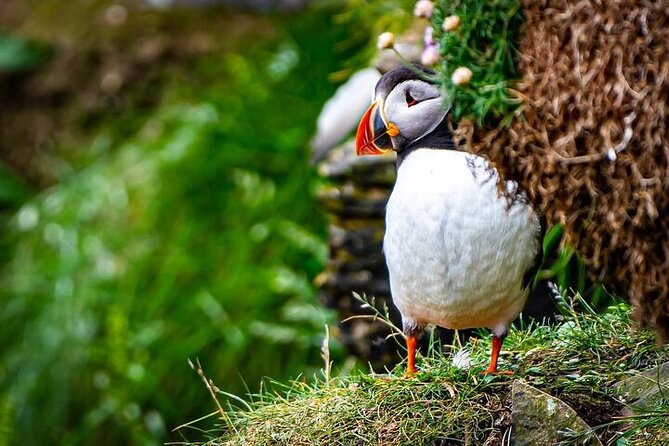
- Puffins are guaranteed at Duncansby Head, guided by an experienced ecologist
- Binoculars and ID guides are provided, so you can actually tell species apart
- Multiple seabirds share the cliffs with puffins, including guillemots and razorbills
- Family-friendly routes are possible, with options for easier walking or tougher trails
- Other wildlife can add surprise value, like grey seals, and sometimes whales or dolphins
Duncansby Head at sunset: why puffins here feel so close
Duncansby Head, on the Caithness coast in the Scottish Highlands, has the kind of seabird energy that’s hard to fake. The cliffs and headlands funnel bird traffic, and that means your time isn’t spent guessing where the action is. It’s built around the puffin colonies, so the goal is simple: watch puffins come and go, then catch the moments that explain their whole life cycle.
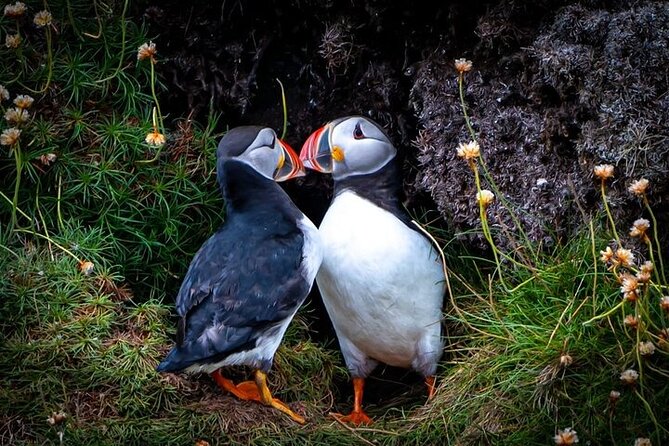
The tour is timed for late-day viewing, which matters. Evening light can make bird shapes and behavior easier to read at a distance, and it also gives you that classic “coast at dusk” feeling. You’ll see puffins take off and climb back toward their burrows, then settle in to nestle and feed their young. That’s the kind of behavior you remember, not just the idea that puffins exist.
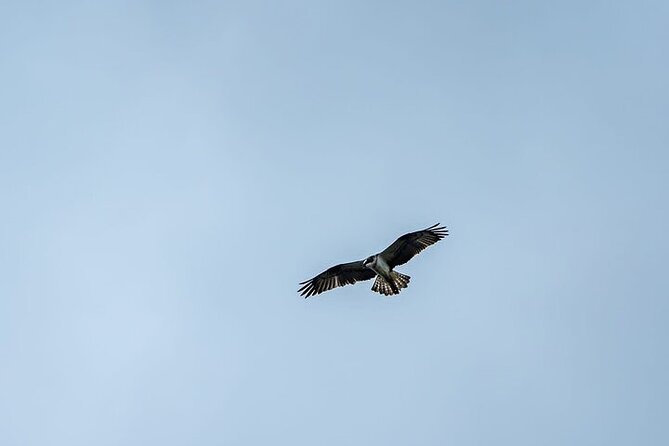
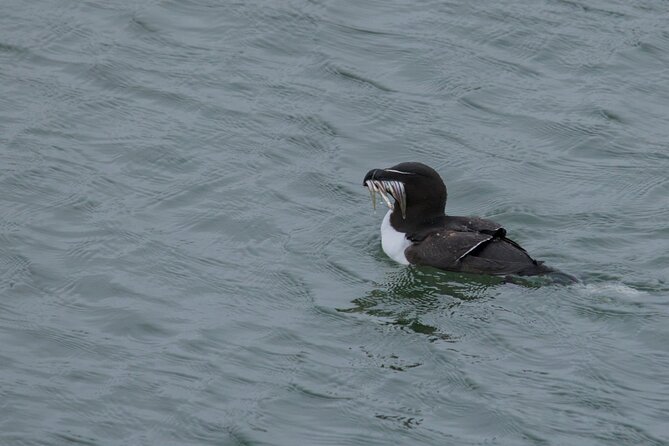
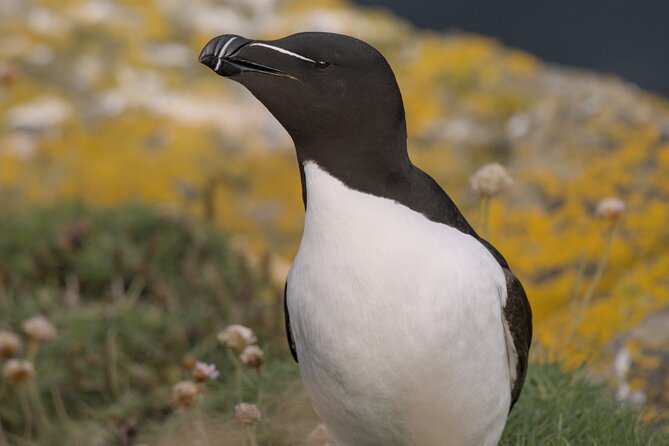
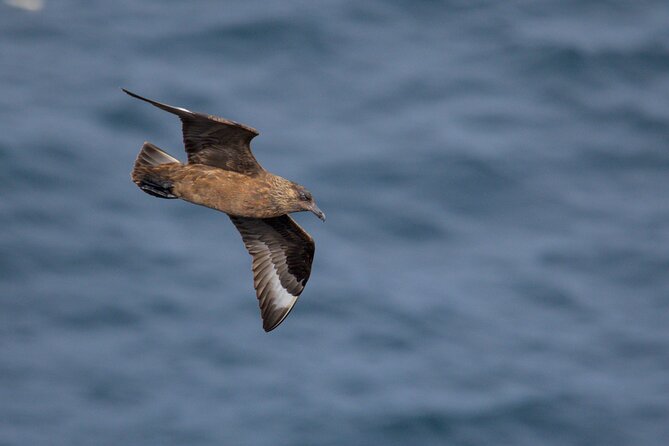
And because this is a seabird hotspot, the scenery is never only puffins. You’ll also be watching for other birds that often circle and perch nearby, including common and black guillemots, fulmar, razorbills, and cormorants. In practice, it means you’re scanning constantly, but you’re scanning with purpose.
Poured next on the flight through The Scottish Highlands:
- 2 hour group lesson (3-16 people)★ 5.0 · 167 reviews
- Gaskan cruise – Golden Eagles!★ 5.0 · 100 reviews
- Glenaladale Cruise – Great for wizard spotting!★ 5.0 · 70 reviews
- 2 hour private surf lesson! (Up to 2 people)★ 5.0 · 63 reviews
Meeting at Thurso Harbour: how the tour gets you started right
The tour departs from Thurso Harbour Car Park, with the meeting point at Harbour Toilets, The Harbour, Thurso KW14 8DE. The start time is 7:00 pm, and the activity ends back at the meeting point, so you don’t have to worry about a long, one-way outing.
A couple details make this easier for most travelers. First, you’ll have a mobile ticket, so you’re not juggling paper vouchers. Second, the meeting area is described as near public transportation, which helps if you’re coming from nearby towns without a car.
You’re also not doing this in a huge crowd. This is listed as a private tour/activity, meaning only your group participates. That matters for bird watching. When you’re not fighting for space, you can actually keep your eyes on the same spot, re-check the same area after a bird leaves, and follow a guide’s pointing without feeling rushed.
Finally, this is offered in English, and service animals are allowed. If you travel with a helper animal, you can plan around that rather than hoping a random tour will accommodate you.
The 3-hour rhythm: what happens on the Duncansby Head walk
Plan on about 3 hours total. The Duncansby Head part of the experience is described as 1 hour 30 minutes with an admission ticket included, but either way, the structure is built around steady spotting time, not nonstop marching. You’re out there to watch behavior, not to rack up miles.
Here’s the flow you can expect once you start moving:
- You’ll begin at a point where the coast and cliff lines can be scanned efficiently.
- Your ecologist guide helps you find the puffin activity first, then you move between viewing areas as opportunities shift.
- You spend a lot of time using high-powered binoculars to separate the species you’re seeing.
- You’ll also look for seals and other seabirds as the day unfolds, including occasional surprises.
The big payoff: seeing puffins use their burrows
The tour is centered on puffin colonies at Duncansby Head. The most memorable moments are the repeated cycles: puffins take off, climb back up and return toward their nesting burrows, then move in close to feed their young. Watching this in a guided way helps because you’re not just spotting a black-and-white bird. You start to notice the patterns that tell you where nesting activity is happening.
You’ll also get a strong sense of how seabirds share the same airspace. While you’re watching puffins, you may also spot other species flying overhead or perched among the rocky features. That constant mix is why binoculars and ID help are so important. When birds are moving fast, a guide’s cues make the difference between “I saw birds” and “I can name what I saw.”
A second dram’s worth in The Scottish Highlands:
- CANYONING in Laggan Canyon | Roybridge, Scotland
★ 5.0 · 22 reviews - RIVER TUBING on the River Feshie | Aviemore, Scotland
★ 5.0 · 13 reviews - ULLAPOOL PORT Cruise Ship Tour, Ardvreck Castle, Rocks & More
★ 5.0 · 5 reviews - Private Dunrobin Castle Tour from Inverness
★ 5.0 · 4 reviews
Route options: easier paths and tougher trails
Walking is part of the experience, and the tour is designed to fit different energy levels. There are easy routes for young children, plus tougher trails if you want a closer and more active experience. The listing also notes that roosts may be accessible by car or by public transportation from Caithness towns, which signals that the team can work with your day’s needs.
Still, come prepared. The tour notes that good walking boots are essential, and it also calls for a moderate physical fitness level. Think sturdy footwear, not fancy shoes, and expect uneven ground near cliffs.
Wildlife spotting beyond puffins: what to watch for (and what might be luck)
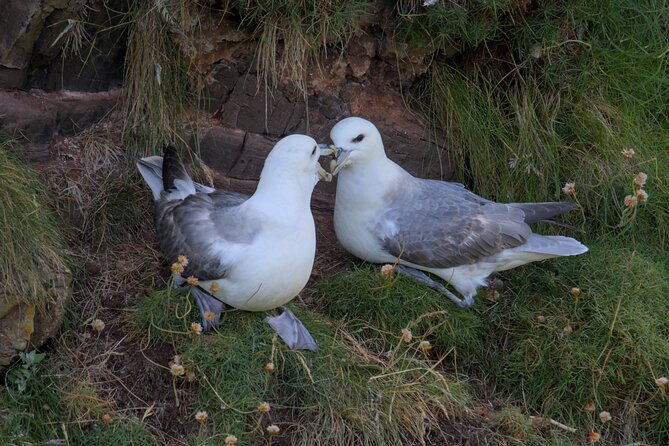
Puffins are the headline, but the experience gets extra value because the coastline attracts other animals.
Seabirds you’ll likely scan for
On your watch, you may spot:
- Common and black guillemots
- Fulmar
- Razorbills
- Cormorants
These aren’t just random name drops. They show you how the food web works here. Different seabirds use different hunting and perching styles, so their presence helps explain why puffins do what they do. And when you’re comparing species through binoculars, the sightings become more satisfying, because you’re building a real picture of the bird community.
Grey seals, plus a chance at bigger ocean animals
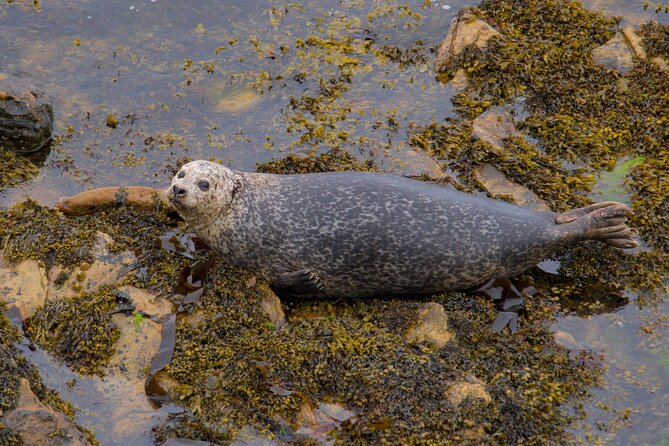
You’ll also look for grey seals. On a lucky day, you might see whales and dolphins. Since that’s listed as a possibility, treat it like a bonus, not a promise.
If you’re someone who always wonders what “lucky day” means in wildlife tours, here’s the practical way to think about it: puffins are guaranteed, so your core experience is stable. The other wildlife is what adds surprise and makes the photos feel like they caught something bigger than expected.
Otters as an occasional bonus
One of the standout notes from firsthand accounts is an otter sighting. Otters aren’t listed as a core guarantee, but it tells me this tour spends enough time in the right places that you can get real variety, not just seabirds and silence.
Jess and the ecologist-led approach: how you learn while you watch
What makes this tour more than a “go look at birds” outing is the way the guide turns spotting into understanding. The name Jess comes up in firsthand feedback, and you can feel the focus in how the experience is described: guided by an experienced ecologist, with a pace that works for families as well as hikers.
Binoculars and ID guides are part of that teaching. Instead of holding your phone up and hoping you capture a puffin speck, you’ll learn what to look for, then get repeated chances to actually see it clearly. That’s a big deal at dusk when visibility can change quickly.
There’s also a human layer. You’ll hear local history and how life is in this remote part of Scotland, not in a textbook way, but in a way that makes the coast feel lived-in. Even if you’re mainly there for puffins, that context helps you understand why these colonies matter and why people care about protecting this kind of habitat.
Weather reality: how wind and safety affect your evening
This is a cliffside experience, and the tour is clear about weather dependence. It requires good weather. High winds can make areas unsafe for walking, and that can lead to cancellation during bad weather.
You’ll want to treat this as a practical nature tour, not a guarantee no-matter-what event. If conditions are rough, the team may need to cancel rather than risk unsafe footing. The upside is that if the experience is canceled due to poor weather, you’re offered a different date or a full refund. That’s fair, and it matches how wildlife viewing works in exposed coastal areas.
For your planning, pick a mindset like this: the puffins are guaranteed in the right conditions, and your evening depends on the coast being calm enough for safe movement.
Price and value: is $69.35 worth it?
At $69.35 per person for roughly 3 hours, this tour is priced in the “guided wildlife evening” range, not a bargain basement stroll. But it does earn its keep.
Here’s what you’re paying for, in plain terms:
- A professional ecologist-led experience, which increases your odds of finding birds well and quickly
- Binoculars and ID guides provided, so you’re not guessing through blurry sightings
- A tour built around a guaranteed puffin experience, which is the expensive part of most wildlife outings
- Admission ticket included, meaning you’re not juggling extra entry fees on top
For value, the key is that the guide isn’t just pointing at birds. The guide helps you understand what you’re seeing. That’s why binoculars and species ID matter. If you love wildlife, you get more out of each sighting because you can name it and track behavior.
If you’re on a tight budget, this might feel like a splurge. But if you’re specifically in the Highlands to see puffins, this feels like targeted spending. You’re paying for a high-focus, guided route at the right place and time.
Who should book this Puffin Tour, and who might pass
This tour fits best if you want structured wildlife time and you like being guided.
You’ll probably enjoy it if:
- Puffins are your priority and you want a real chance to see behavior, not just distant silhouettes
- You like learning as you go, especially with help from ID guides
- Your group includes kids or mixed fitness levels, since there are easy routes and tougher options
- You’d rather do a smaller group experience with a guide than join a crowded tour bus
You might consider passing if:
- Your schedule cannot handle weather-related changes, and you hate last-minute plan shifts
- You dislike walking on uneven ground and exposed coastal areas, even if you choose the easier route
Also, since it’s a private tour for your group, it’s a good match for couples, families, and small groups that want attention from the guide without feeling squeezed by strangers.
Should you book the Seawolf Wildlife Tours Puffin Tour?
I think you should book if you want puffins with real guidance. The combination is strong: puffins are guaranteed, you get binoculars and ID support, and the timing at 7:00 pm helps the whole experience feel like a true coastal evening.
It’s also the kind of tour where the guide’s approach matters. With Jess and the ecologist-led format, you’re set up to learn while you watch, and that makes repeat sightings more satisfying. You’re not just ticking off a species. You’re getting the story of how puffins feed and return to their burrows, with other seabirds and seals as bonus chapters.
If you’re booking, do two things to make the night smoother: wear good walking boots, and stay flexible about weather. Do that, and you’ll give yourself the best shot at an evening that feels special, not rushed.
FAQ
Where is the tour meeting point?
The tour meets at Harbour Toilets, The Harbour, Thurso KW14 8DE, UK.
What time does the puffin tour start?
The start time is 7:00 pm.
How long is the tour?
It runs for about 3 hours approximately, and the Duncansby Head portion is listed as 1 hour 30 minutes with an admission ticket included.
Is this a private tour?
Yes. It is listed as a private tour/activity, with only your group participating.
Are puffins guaranteed on this tour?
Yes. Puffins are guaranteed on the tour.
What other wildlife might I see besides puffins?
You can look out for grey seals, and on a lucky day whales and dolphins. You may also see other seabirds such as common and black guillemots, fulmar, razorbills, and cormorants. An otter has been seen on the tour.
Are binoculars and identification materials provided?
Yes. Binoculars and ID guides are provided.
Is good weather required?
Yes. The experience requires good weather, and cancellations can happen if weather conditions make walking unsafe due to high winds.
What is the cancellation policy?
You can cancel for a full refund up to 24 hours before the experience starts. If you cancel less than 24 hours before, the amount paid is not refunded.
Is the tour offered in English?
Yes. The tour is offered in English. Service animals are allowed, and it is near public transportation.
The newest pours out of The Scottish Highlands




Tours, compared.


Underground Vaults Walking Tour in Edinburgh Old Town
Read our review →
Loch Ness, Scottish Highlands, Glencoe and Pitlochry Tour
Read our review →
Loch Ness & Highlands Small-Group Tour from Edinburgh with Cruise
Read our review →
Edinburgh Castle: Guided Walking Tour with Entry Ticket
Read our review →
Edinburgh Castle Guided Walking Tour in English
Read our review →
The Chocolatarium Chocolate Tour Experience in Edinburgh
Read our review →