
Reviewed · ORKNEY DAY TRIPS
Shore Excursion Kirkwall Small Group Highlights of Orkney
Orkney hits fast, and in a good way. This small-group Kirkwall shore excursion strings together WWII memory, Neolithic icons, and serious engineering, all within an easy 6-hour rhythm. I like that you get all attraction admissions handled, and I also like the way a small group helps your guide manage crowds at the big stops.
Two things I really like: the max 6 travelers setup, which keeps the day more human and flexible, and the mix of places that explain Orkney from different angles, from prisoners of war to stone circles. One consideration: with so many named sites packed in, the day can feel brisk, and the quality of commentary can vary depending on timing and how crowded the entrance moments get.
In This Review
- Key highlights to know before you go
- A 6-hour Orkney day from Kirkwall Pier, built for small groups
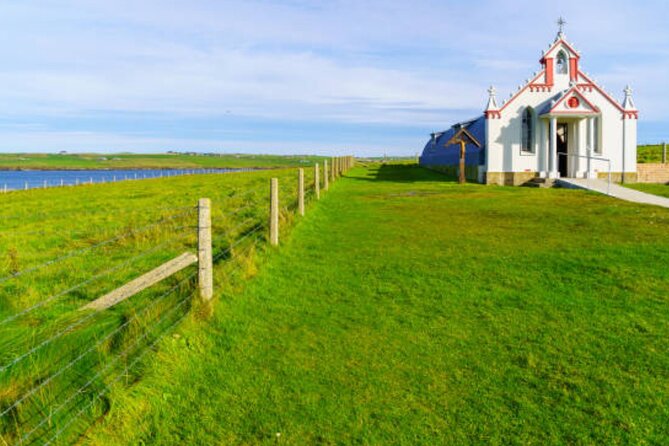
- Italian Chapel: the WWII story you remember because it’s human
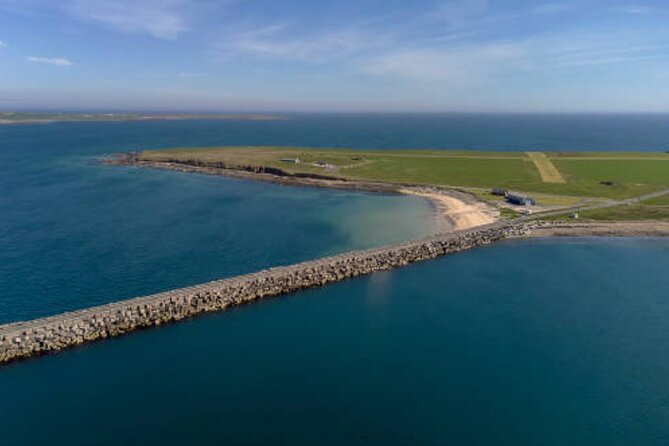
- Churchill Barriers: causeways that turn islands into a connected story
- Scapa Flow viewpoints: cliffs, island dots, and the Hills of Hoy
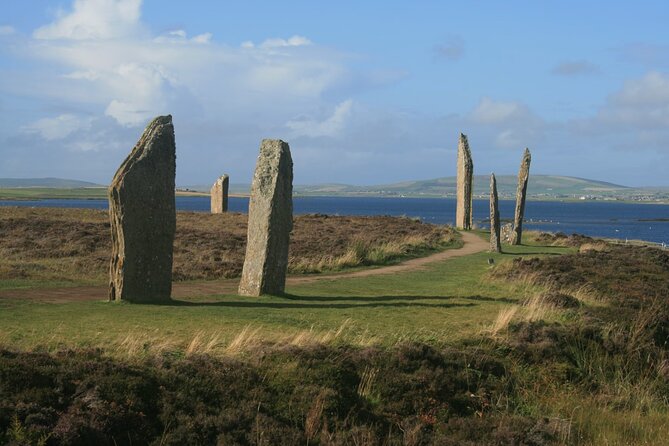
- Ring of Brodgar: Neolithic stones with room to feel the scale
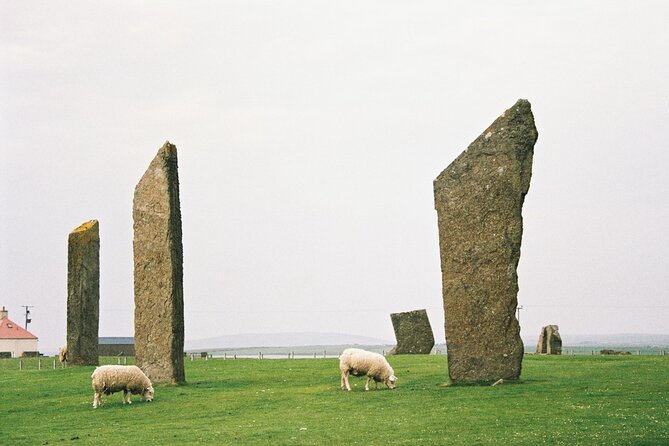
- Standing Stones of Stenness: one of the oldest, and a surprise hit
- Skara Brae: best-preserved Neolithic living, not just stones
- Skaill House: when Orkney’s story turns aristocratic and coastal
- Price and value: what you’re really paying for
- Who should book this Orkney highlights shore excursion
- Should you book this Kirkwall small-group highlights tour?
- FAQ
- Where does this tour start and end?
- How long is the Kirkwall Orkney small-group tour?
- What time does the tour begin?
- How many people are on the tour?
- What language is the tour conducted in?
- What is included in the price?
- Are food and drinks included?
- Can I cancel and get a full refund?
Key highlights to know before you go
- Italian Chapel in context: WWII Italian prisoners of war built this chapel during the Churchill Barriers era.
- Churchill Barriers driving time: a total of 2.3 km of causeways connecting the mainland to South Ronaldsay via Burray, Lamb Holm, and Glimps Holm.
- Scapa Flow photo stops: rugged coastlines, scattered islands, and the Hills of Hoy on the horizon.
- Ring of Brodgar access: a Neolithic henge and stone circle about 6 miles northeast of Stromness.
- Stones of Stenness tickets included: commonly cited as among the oldest henge sites in the British Isles.
- Skara Brae plus Skaill House: best-preserved Neolithic settlement, then a 400-year-old Orkney mansion viewpoint.
A 6-hour Orkney day from Kirkwall Pier, built for small groups
This is a straight-from-the-cruise kind of outing. It starts at Kirkwall Pier, Harbour St (KW15 1HU) at 9:30 am, and it ends back at the same meeting point. That matters because Orkney’s best-known sites are spread out, and you do not want to burn time hunting buses or lining up shuttles.
The tour caps at 6 travelers, which is the core reason people feel they get their money’s worth. You travel with fewer distractions, and your guide can adjust the order on the fly if the roads or arrivals are running early or late. One practical payoff of the small group style is crowd avoidance. Big coach tours can dump large groups at the same minutes, so having a smaller group often means calmer entry moments and more breathing room for photos.
Also, admissions are included for the listed attractions. That sounds like “just logistics,” but it changes your day. You spend less time figuring out ticket lines and more time watching your timing with the guide.
More of Orkney fitted into a long day:
- Semi Private Tour – Orkney and Kirkwall★ 4.5 · 85 reviews
- From Kirkwall – Orkney Mainland Private Tour★ 5.0 · 57 reviews
- Tours around the Neolithic Sites of Orkney (Guided from my car)★ 5.0 · 12 reviews
- Treasures of Orkney: Private Half-Day Tour from Kirkwall★ 5.0 · 5 reviews
Italian Chapel: the WWII story you remember because it’s human
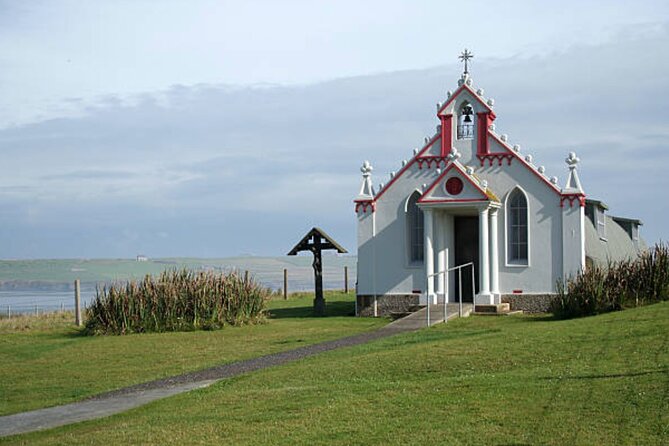
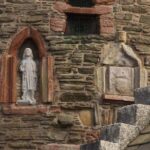
The first stop is the Italian Chapel. If your brain connects Orkney only with “ancient stones,” this chapel adds a very different layer. It was created by Italian prisoners of war during World War II, built on a once-desolate island, and the work links back to construction of the Churchill Barriers near Scapa Flow.
What I like about this stop is that it’s not a distant museum label. It’s a small place with a specific story, and your guide can explain how this kind of construction effort shaped the islands and the memory of those years. Even if you only know the broad WWII outline, you walk away with a better sense of why Orkney mattered, and how people left marks there long after the machinery stopped.
The chapel stop is about 30 minutes, and that time is usually enough if you want the story plus a chance to look closely and take photos without feeling rushed. One small caution: if your group enters while another tour is talking through the space, the amount of detail you hear can feel uneven. So come with curiosity, and do a quick skim of the chapel’s background before you board, just to make sure you catch every angle.
Churchill Barriers: causeways that turn islands into a connected story
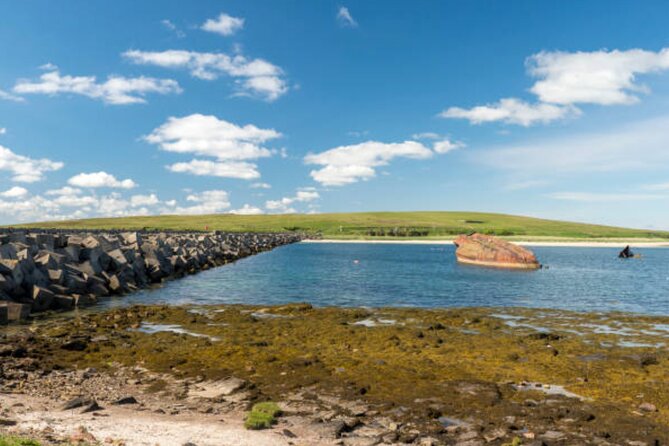
Next comes engineering, and it’s the kind that makes you slow down at the windows. The Churchill Barriers are four causeways that stretch across Orkney, with a total length of 2.3 kilometers. They connect the Orkney Mainland in the north to South Ronaldsay, passing through Burray, Lamb Holm, and Glimps Holm.
If you enjoy practical history, this is a great contrast to the stone sites. Instead of asking how people arranged stones thousands of years ago, you’re asking how people moved across water in the 20th century. Your guide ties it back to the wartime story, so the barriers stop being just a road. They become a physical link between the landscape and real lives.
This is also where a small-group format helps. You can usually move at a better pace, get clearer viewpoints from the car, and avoid the “all at once” feeling that larger tours can bring. It’s not the most dramatic stop on the brochure, but it’s one that makes the rest of the day click into place.
Scapa Flow viewpoints: cliffs, island dots, and the Hills of Hoy
After the barriers, you shift into scenery. The Scapa Flow area brings dramatic coastlines, rugged cliffs, and scattered islands, with lush green grassland slopes and the Hills of Hoy acting like a constant backdrop. Even if you’re not a big “geography person,” Orkney’s shape reads clearly here.
What makes this stop valuable is that you’re not just seeing a pretty view. Your guide is likely connecting the water and islands to why places like the Churchill Barriers matter. Scapa Flow is also where wartime history and present-day coastlines overlap visually, so the earlier Italian Chapel story gets a stronger sense of place.
Plan for photo breaks. The time here is not listed as a set ticketed entry, so it’s more about timing, windows, and short pauses. If you’re the type who likes to stop and frame a shot, this is a good part of the day to slow your pace and actually look around, not just snap and sprint.
More port days ashore, sorted:
- Glasgow (Greenock) Shore Excursion: Stirling, Loch Lomond & The Highlands
★ 4.5 · 267 reviews
Ring of Brodgar: Neolithic stones with room to feel the scale
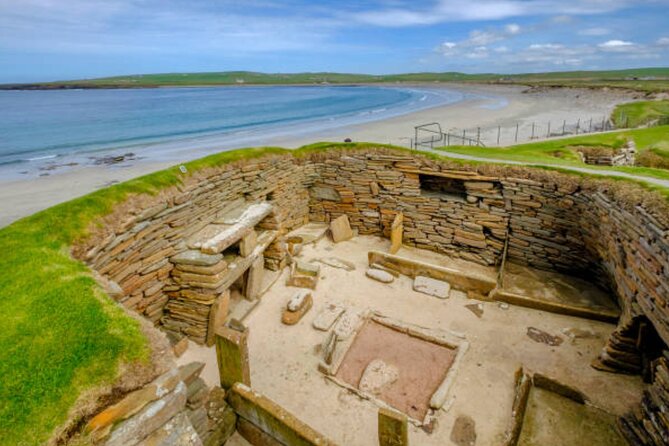
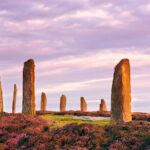
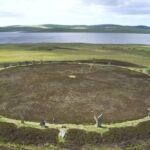
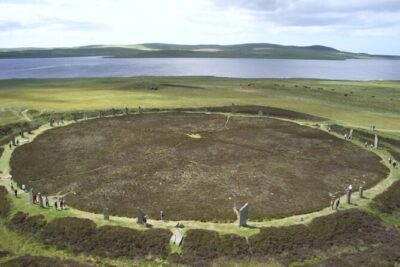
Then it’s back to prehistory, at Ring of Brodgar. This site is about 6 miles northeast of Stromness on Orkney’s Mainland, and it’s described as a Neolithic henge and stone circle. It’s an iconic Orkney stop, and that matters because this is where the day stops feeling like a checklist and starts feeling like a pattern.
I like Ring of Brodgar because it sits in open space. The stones and the surrounding ground make it easier to understand why people built these places where they could see, gather, and communicate across distance. It’s the kind of site where your attention naturally shifts from “what is the date?” to “how would this have felt in real life?”
The stop is a highlight for many visitors, and for good reason. It’s also a useful anchor point for the rest of the day, since later you’ll compare it with nearby stone work like Stones of Stenness.
Standing Stones of Stenness: one of the oldest, and a surprise hit
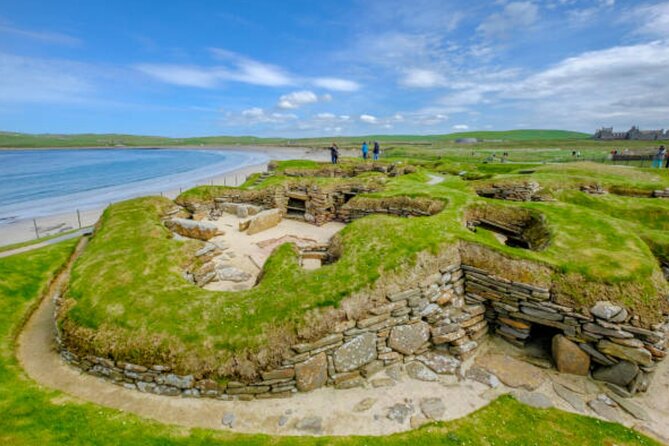
Next up: Standing Stones of Stenness, about five miles northeast of Stromness on the mainland. The site is widely believed to be one of the oldest henge sites in the British Isles, and it gives you a second Neolithic angle right near your Ring of Brodgar experience.
Here’s the thing I find helpful as a visitor: this stop can feel like a “bucket list” surprise even if you came expecting a straightforward visit. One important difference is how personal it can feel. In one shared experience, people were permitted to touch the stones, unlike the stricter handling rules at famous modern comparatives. Your exact permissions can vary by site rules in the moment, but it’s worth knowing you may be allowed closer access than you’d expect.
Your guide will help you interpret the site so it does not become just “standing rocks.” You’ll understand how these places fit together spatially and culturally, and why Orkney is so important in the Neolithic story.
As with all Neolithic stops, bring patience for weather and footing. The sites are outdoors, so wear shoes that work on uneven ground, and keep your sleeves and layers ready.
Skara Brae: best-preserved Neolithic living, not just stones
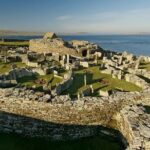
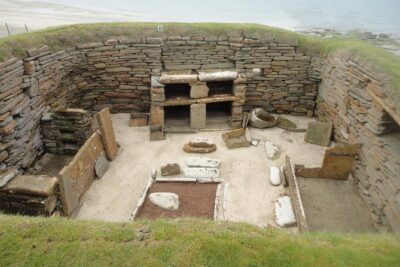
The day’s main “wow” for many people is Skara Brae, widely described as the best-preserved Neolithic settlement in Western Europe. It sits inside the UNESCO-designated Heart of Neolithic Orkney World Heritage Site, and you get a real feel for how a settlement could be built, used, and lived in.
Unlike stone circles where the story mostly arrives through imagination, Skara Brae gives you structure. Dwellings and layout help you picture the routines, the closeness, and the day-to-day choices that shaped survival. That alone makes it a top stop, but it also helps you connect it back to the other Neolithic sites you’ve already visited.
The Skara Brae stop is about 30 minutes, and that’s enough to see the key features without turning it into a blur. If you like to read at your own pace, prioritize the main areas first and then go back for detail after you’ve got your bearings.
A practical note: there can be talk of past excavation work at the site, and some areas connected to longer-term exploration may be closed at times. If you spot signs about access, follow the on-site instructions. The core site viewing should still be the main attraction.
Skaill House: when Orkney’s story turns aristocratic and coastal
After Neolithic life comes later Orkney. The tour includes Skaill House, Orkney’s premier mansion, with a 400-year heritage and commanding views over Bay of Skaill.
Why does this matter on a day full of ancient stones? Because it keeps the timeline honest. Orkney did not stop at the Neolithic. Power, wealth, and estate life also shaped what got preserved, what got rebuilt, and what locals remembered.
Skaill House is also a payoff for people who want a change of pace. You shift from outdoors stone sites into a historic interior setting where you can slow down, look at furnishings and artifacts, and learn the human stories behind later centuries.
Even if you are mostly there for the big archaeological stops, Skaill House adds breathing space and a different kind of context.
Price and value: what you’re really paying for
At $321.77 per person for about 6 hours, this is not a budget excursion. But the value is tied to how the day is built.
You are paying for:
- Small-group format with a maximum of 6 travelers, which helps with crowd flow.
- All attraction admissions, so you are not juggling ticket prices and lines.
- A route that covers multiple major Orkney sites in one outing, which is hard to reproduce well on your own during a cruise day.
- A guide who can adjust timing and stop order to help you avoid the worst peaks of large coach arrivals.
In one shared experience, the guide even managed route choices to avoid heavy crowd moments and got the group back to the ship on time. Another person liked that the guide had the room to add an extra stop when schedule allowed, such as Magnus Cathedral in Kirkwall.
That last detail is worth your attention. This tour is structured, but it sounds flexible enough for small additions if the day runs ahead. If you have a special interest, it’s smart to ask your guide at the start what’s realistically possible with the time you have.
The main “cost” for many people is not money, it’s energy. You’re seeing a lot, and you need to pace yourself mentally. If you like a full day, this works. If you prefer slow travel, you may feel stretched.
Who should book this Orkney highlights shore excursion
This tour is a strong match if you:
- Want big named Orkney sites in a single half-day, without the stress of planning connections.
- Like history across time periods, from WWII memory at the Italian Chapel to Neolithic sites like Ring of Brodgar, Stenness, and Skara Brae, plus later life at Skaill House.
- Care about small-group attention and smoother access at popular stops.
- Appreciate local guidance, including route flexibility to dodge crowd surges.
It may feel less ideal if you:
- Want an extremely relaxed pace with lots of free time.
- Prefer very long, quiet museum-style sessions at one site over quicker stops at several.
One good approach for anyone who’s history-focused: do a short pre-read on each main stop theme (WWII building, Neolithic circles, settlement life, later estate life). Then when your guide talks, you’ll recognize the connections immediately.
Should you book this Kirkwall small-group highlights tour?
If you want a high-impact Orkney day that actually makes the sites connect, I think you should book it. The combination of admissions included, max 6 travelers, and an itinerary that balances WWII, engineering, and Neolithic monuments is a very practical way to use cruise-day time.
My decision rule is simple: if you would rather pay for convenience and fewer crowds than manage your own transportation and ticket logistics, this is a fair trade. If you hate the idea of a packed schedule, pick a more relaxed option instead.
FAQ
Where does this tour start and end?
It starts at Kirkwall Pier, Harbour St, Kirkwall KW15 1HU, UK. It ends back at the meeting point.
How long is the Kirkwall Orkney small-group tour?
It runs for about 6 hours.
What time does the tour begin?
The start time is 9:30 am.
How many people are on the tour?
The group is limited to a maximum of 6 travelers.
What language is the tour conducted in?
The tour is offered in English.
What is included in the price?
The price includes small-group experience and all attraction admissions.
Are food and drinks included?
No. Food and drink are not included.
Can I cancel and get a full refund?
Yes. Free cancellation is available, and you can cancel up to 24 hours in advance for a full refund.
The newest pours out of Orkney
Orkney Day Trips, compared.


5-Day Orkney & Northern Coast Tour from Edinburgh Incl Admissions
Read our review →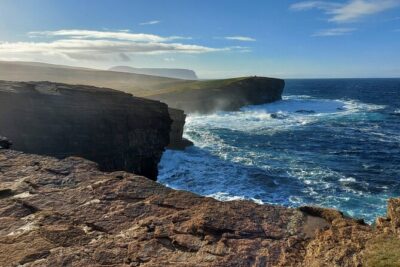
8 Day Isle of Skye, Orkney & North Coast 500 tour from Edinburgh
Read our review →
3-Day Orkney Explorer Small-Group Tour from Inverness
Read our review →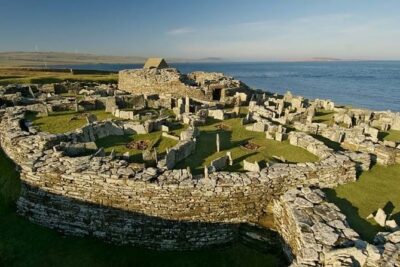
Browse the lists this tour appears in