

Reviewed · ST ANDREWS DAY TOURS
St Andrews Old Course History Tour, for the Golfer
Old Course stories hit different when you walk them. This 1 hour 15 minute St Andrews tour for golfers and history fans links the town’s roots to the strange, human details behind the Old Course. With a small group and a guide who tells golf like a living tale, you get context fast, then you’re out on the course for a rare, close-up look.
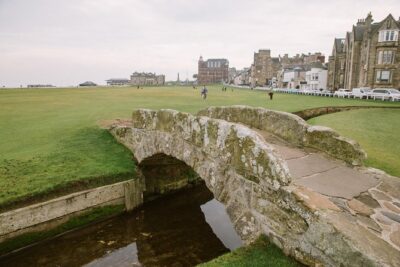
I particularly like two things. First, I love how Richard connects big milestones to specific spots, so the history feels practical, not like reading a plaque. Second, I like the photo moment at Swilcan Bridge, which is the kind of iconic stop you remember long after the round. You’ll also get professionally taken photos as part of the tour.
One potential drawback: the tour expects a fluent English level. If you struggle to follow fast explanations, you may miss some of the fun details, because speaking slowly or translating is not how this experience is set up.
In This Review
- Key highlights you will actually feel
- Starting at Hotel du Vin: how Richard sets the St Andrews stage
- The Links origin story, from Low Countries to St Andrews Home of Golf
- Royal and Ancient Golf Club: where the course shape meets the rules
- Grannie Clark’s Wynd: Open Championship sites and the 18-hole shift
- Rusacks St Andrews: the 1st and 18th fairway, Mannings, and a putting green origin
- Swilcan Bridge: your iconic photo, and how tournament days affect it
- The Jigger Inn finish at the Road Hole: the Old Course payoff
- Price, pace, and group size: is $25 worth it?
- Practical tips so you enjoy the whole hour 15
- Should you book this St Andrews Old Course History Tour?
- FAQ
- How long is the St Andrews Old Course History Tour for the Golfer?
- Where do I meet the guide, and where does the tour end?
- Is the Swilcan Bridge photo included in the tour price?
- Are refreshments included at the end near the Jigger Inn?
- What are the age and mobility limitations for this tour?
- What is the cancellation and weather policy?
Key highlights you will actually feel
- Walk across the Old Course fairway areas at a comfortable pace, with more attention in a group capped at 15
- Town history first, so the golf story lands in the real geography of St Andrews
- Swilcan Bridge photo stop with professionally taken photos, and tournament days can change what’s included
- Golf course evolution, explained in plain language, including why fairways and bunkers look the way they do
- Road Hole and 17th green stories, so you end with a specific, dramatic Old Course moment in your head
Starting at Hotel du Vin: how Richard sets the St Andrews stage
The tour begins at Hotel du Vin St Andrews at 40 The Scores, and you meet Richard outside the front of the hotel. This first stop matters more than it sounds. You’re not just heading straight to grass and sand, you’re getting a map of how St Andrews became the center of the sport.
Richard starts with town history and the 1123 Links charter, which gives you a timeline you can hang everything on. It also helps you understand why certain traditions around the Old Course feel stubbornly old, even when golf itself has changed a lot over the centuries. It’s a quick opener, about five minutes, but it sets the rhythm for the rest of the walk.
More rounds in Old Course country:
- St Andrews Must-Sees Daily Walking Tour (11am & 2pm)★ 5.0 · 478 reviews
- St Andrews Tours: Town, Golf and Old Course History★ 5.0 · 138 reviews
- Private St. Andrews: Home of Golf Old Course Walking Tour★ 5.0 · 69 reviews
- Watch Building Experience – St Andrews★ 5.0 · 40 reviews
The Links origin story, from Low Countries to St Andrews Home of Golf
Next, you move to The Links for the origin story of golf. You’ll hear how the game developed from early stick and ball traditions, then how it traveled and transformed. The tour connects the 13th century Low Countries roots to the later spread around Edinburgh in 1744, then circles back to why St Andrews earned the title Home of Golf.
What I like here is that you get the why behind the legends. Instead of treating golf history like a chain of trophies, you see how the sport moved, adapted, and eventually settled into the St Andrews rhythm. If you’re a golfer, you’ll also understand why the Old Course looks and feels the way it does, because the “game evolution” isn’t separate from the course evolution.
A practical note: this is a stop where you’ll likely want to listen closely, because the tour uses history as glue for later course details. If you’re the type who likes to ask questions, this is a good early moment to do it.
Royal and Ancient Golf Club: where the course shape meets the rules
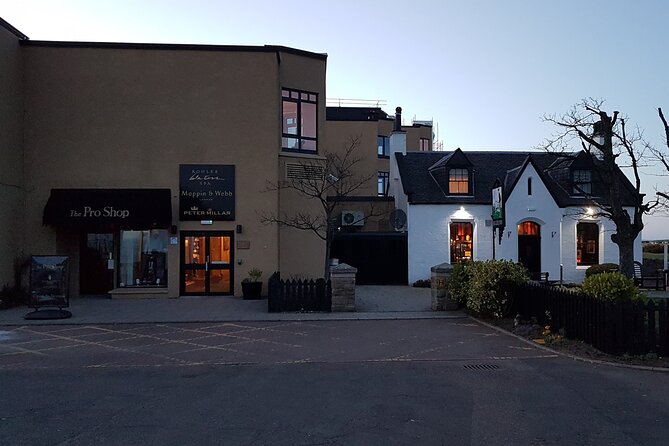
At the Royal & Ancient Golf Club of St Andrews, the tour links Old Course development with the broader game. You’ll hear how changes to the course helped change golf itself, including how fairways and bunkers came to be. There are also the classic Old Course characters and objects in the story, including Old Tom and the old Caddie Shack.
This stop is especially valuable if you’ve ever wondered whether the Old Course is just tradition or if it’s also a design laboratory. The tour frames it as both. Golf course features here are treated as outcomes of how the game grew, not just random design quirks from long ago.
I also like that Richard’s stories are built for real questions. You’re not stuck with vague “this happened” talk. You get the sense of why people cared, and how that shaped the course you’re about to walk.
Grannie Clark’s Wynd: Open Championship sites and the 18-hole shift
The tour then heads to Grannie Clark’s Wynd. This is where the story pushes from early origins into the era of major competitions and course refinement. You’ll hear about the Open Championship and the Dunhill Cup, then you’ll get the course development timeline, including the move from 12 and 10 holes to 18 holes.
You’ll also hear about important sites around the 18th, which helps you understand why the late-round holes feel like the Old Course climax everyone talks about. Even if you have never played, you leave with a stronger sense of what golfers mean when they say certain holes are special.
One consideration: this part can feel dense if you’re not listening actively, because you’re moving through time periods and competitions quickly. If you tend to tune out during straight storytelling, try to pause mentally and picture what the course must have looked like at each step.
More centuries read off the stonework:
- Old Town Walking Tour History and Tales in Edinburgh
★ 5.0 · 2,168 reviews - Old Town Historical and Underground Tour
★ 5.0 · 1,574 reviews - Multi-Sensory Small-Group Historic Vaults Tour in Edinburgh
★ 4.5 · 1,384 reviews - Edinburgh Old Town: Historical Guided Walking Tour
★ 5.0 · 1,016 reviews
Rusacks St Andrews: the 1st and 18th fairway, Mannings, and a putting green origin
At Rusacks St Andrews, you get one of the tour’s most memorable “course meets people” segments. The stop focuses on the 1st/18th fairway, the farmers tied to the land, and Rusacks itself. You’ll hear about the Mannings, plus the original 1st tee and the 18th hole.
Then comes one of those stories that makes the Old Course feel human: early caddies and ladies supposedly played a role in the creation of the world’s first putting green connected to Old Tom. That kind of detail is exactly why I think this tour works for both golfers and non-golfers. It gives you a reason to believe the course is shaped by ordinary people pushing for practical solutions.
This stop also helps you set expectations for what you see later at the iconic photo spots. If you pay attention here, you’ll connect the famous landmarks to the everyday work of maintaining and using the course.
Swilcan Bridge: your iconic photo, and how tournament days affect it
Now you hit Swilcan Bridge, the most photographed bridge in golf culture. The tour includes a photo shoot here, and it’s one of the clear, tangible takeaways: professionally taken photos at the bridge. The tour notes that tournament days, like the Open and Dunhill events, can affect this portion, so your best bet is to plan around normal operating days when possible.
Even if you never take a single photo yourself, I think this stop still earns its place. It gives you a reference point for the whole Old Course. Watching the bridge alongside the story of how the course evolved helps you understand why players and fans treat it like a ritual marker, not just a pretty structure.
Tip for the day: dress for cold and wind. St Andrews weather can change fast, and the best photos come when you can stand still without freezing your whole plan.
The Jigger Inn finish at the Road Hole: the Old Course payoff
The tour ends at the Road Hole, 17th, near the famous Old Course Jigger Inn. Here, Richard brings it home with jaw-dropping stories tied to the Road Hole and the 17th green, which is the last big emotional button before the tour releases you to the day.
The tour finishes with time to grab refreshments by the 17th fairway, but food and drinks are not included. Still, this is a smart finish point. You get to process what you just heard while you’re standing close to the hole that people use as shorthand for pressure, drama, and grit.
If you plan to continue the day, this is also the easiest place to do it. You’re near public areas of the Old Course environment, so you can decide whether you want to watch play, take in more views, or simply walk it off.
Price, pace, and group size: is $25 worth it?
At $25 per person, the value is strong, mainly because you’re paying for time with a professional local guide and a guided narrative that connects St Andrews and the Old Course. This isn’t a long bus ride, it’s focused walking with stops that teach you how the course and the sport evolved.
A big plus is that the tour is capped at 15 travelers. That’s small enough for Richard to keep the group moving and still handle questions without everything turning into a lecture hall. Reviews also point to the guide’s style as a key reason people feel satisfied, especially the mix of course history and storytelling humor.
The pace is built for listening. It’s frequent stops rather than a marathon walk. That makes it easier to absorb details about Old Tom, fairways and bunkers, and why the 18-hole layout became what it is.
What about expectations? You’ll do better if you come ready to walk, listen, and accept that this is a guided experience, not a self-paced museum. Also, English fluency matters. If you want slow explanations or translations, this tour is not designed for that.
Practical tips so you enjoy the whole hour 15
This tour is short, so a few choices can make or break it.
- Wear grippy shoes and dress in layers, since wind off the water can hit without warning.
- Bring only what you can carry comfortably. The tour notes there’s nowhere to leave extra items like strollers or mobility equipment, so plan to travel light.
- Be on time. The meeting point is a real starting line, and public tours will not wait.
- If you want to walk during low-play moments, consider scheduling around a day when course activity is gentler. The tour itself focuses on making the walk workable without interrupting play.
Who should book this tour? I’d put it at the top of the list for golfers who want a story-driven understanding of the Old Course, and for non-golfers who want to see why the sport became a cornerstone of St Andrews life.
Should you book this St Andrews Old Course History Tour?
I’d book it if you want more than landmark photos. This tour pays off when you like learning the “why” behind course features and traditions, and when you want a tight, well-paced walk guided by Richard. The Swilcan Bridge photo moment is a bonus you can actually use later, and the Road Hole storytelling gives your visit emotional shape.
I would skip it if your English is not strong enough to follow fast, fluent commentary, or if you need a slower pace with lots of clarifying questions. I’d also think twice if mobility limits your ability to walk. The tour is not suitable for strollers, carriages, crutches, walking frames, mobility scooters, or similar aids, and you should plan accordingly.
If you’re choosing between “just wander” and “get the story,” pick the tour. It turns a famous place into something you understand.
FAQ
How long is the St Andrews Old Course History Tour for the Golfer?
It runs for about 1 hour 15 minutes.
Where do I meet the guide, and where does the tour end?
You start outside Hotel du Vin St Andrews at 40 The Scores, St Andrews KY16 9AS. The tour ends near the Road Hole, 17th, by the Swilcan Bridge area of The Links at 17 The Links, St Andrews KY16 9JE.
Is the Swilcan Bridge photo included in the tour price?
Yes. The tour includes professionally taken photos at Swilcan Bridge, but the tour notes this excludes tournament days such as the Dunhill and the Open.
Are refreshments included at the end near the Jigger Inn?
No. The tour finishes near the Old Course Jigger Inn for refreshments, but beverages and food are not included.
What are the age and mobility limitations for this tour?
The tour is not suitable for under 5s. It also states it is not suitable for strollers or carriages, crutches, walking frames, or mobility scooters, and there is nowhere to leave these items during the tour. It also notes it may not suit people with new knee or hip replacements, sprained ankles, and similar mobility issues.
What is the cancellation and weather policy?
You get free cancellation. You can cancel up to 24 hours in advance for a full refund. The tour requires good weather, and if it is canceled due to poor weather, you will be offered a different date or a full refund.
The newest pours out of St Andrews



St Andrews Day Tours, compared.
St Andrews & the Fishing Villages of Fife Small-Group Day Tour from Edinburgh
Read our review →
St Andrews Must-Sees Daily Walking Tour (11am & 2pm)
Read our review →
St Andrews Tours: Town, Golf and Old Course History
Read our review →
Private St. Andrews: Home of Golf Old Course Walking Tour
Read our review →

St Andrews, Fife Coast Walk & Historic Abbey Tour from Edinburgh
Read our review →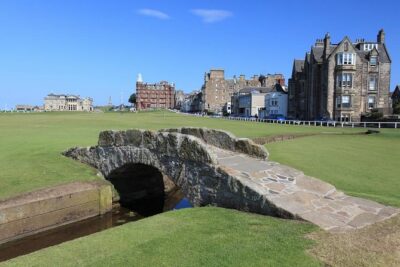
Kingdom of Fife & St Andrews Full-Day Guided Private Tour in a Premium Minivan
Read our review →Browse the lists this tour appears in