
Reviewed · CRUISES & BOAT TOURS
Wildlife Watching Boat Tour
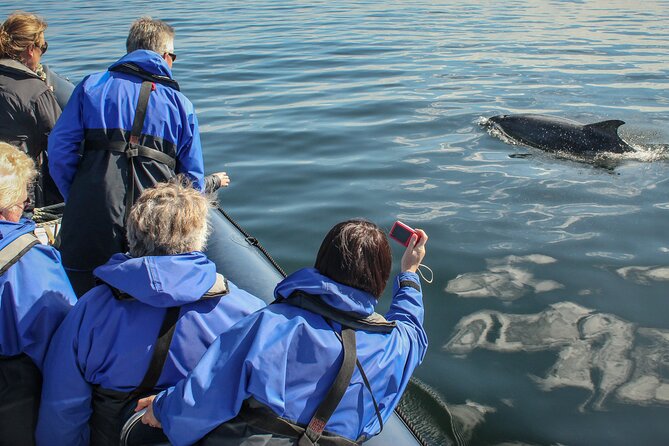
Dolphins, war graves, and seabirds. This 2.5 hour RIB trip with EcoVentures turns the Cromarty Firth and Inner Moray Firth into a living wildlife classroom. I love the mix of wildlife and local sea stories, including a stop at the HMS Natal war grave, while I like the small group of up to 12. The main consideration is the step down from the pontoon to the RIB, which needs good balance and mobility.
You meet at the EcoVentures Kiosk at the West Harbour in Invergordon, get wet weather gear and lifejackets, and then get out onto the water with a local skipper who works the plan and adjusts to conditions. I also like the practical touches, like warm hot chocolate and biscuits on board, but note there are no toilets once you’re out sailing.
In This Review
- Key things that make this wildlife boat tour in Invergordon worth your time
- Where you start in Invergordon, and why the first 10 minutes matter
- The RIB boarding moment: step down, balance, and non slip shoes
- Cromarty Firth approach: oil rigs, sea stories, and the HMS Natal stop
- Past Cromarty through the Sutors: forts on cliffs and seabird timing
- Open water wildlife hunting: dolphins, seals, and the joy of not knowing
- Seating on the RIB: why the back row can be tough
- What you actually get for the price in US dollars
- Weather, rain, and sea spray reality checks
- Toilets, time on the clock, and how long 2.5 hours feels
- Who this Invergordon RIB tour suits best
- Final verdict: should you book EcoVentures in Invergordon?
- FAQ
- What is the duration of the Wildlife Watching Boat Tour?
- Where do we meet in Invergordon?
- Is the ticket digital or paper?
- What language is the tour offered in?
- Is wet weather gear and a lifejacket provided?
- Are there toilets on the boat?
- Can children join?
- Is wildlife spotting guaranteed and do I get a refund if I do not see animals?
- What wildlife might I see on this tour?
- What physical abilities do I need?
Key things that make this wildlife boat tour in Invergordon worth your time
- Two firths, not just one, so you cover Cromarty Firth and then, if conditions allow, the Inner Moray Firth
- Real local stops, including oil rig explanations and a stop at the HMS Natal war grave
- Small group size, max 12, which makes question time actually happen
- Seasonal seabird odds, best time late April through end of July
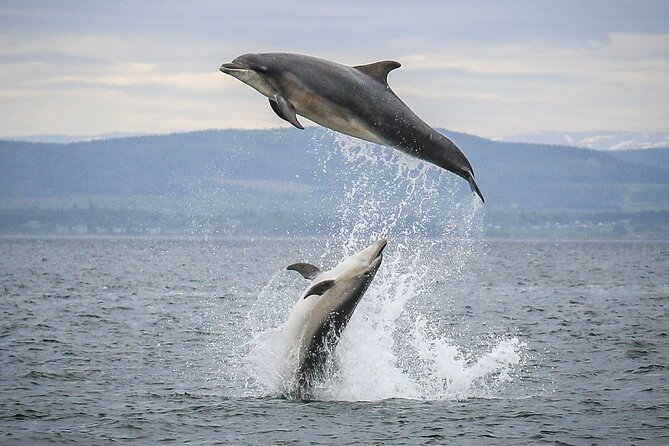
- Wildcard wildlife moments, from dolphins and seals to the occasional minke whale
- Wet weather setup included, plus lifejackets, because the North Sea can turn fast
Where you start in Invergordon, and why the first 10 minutes matter
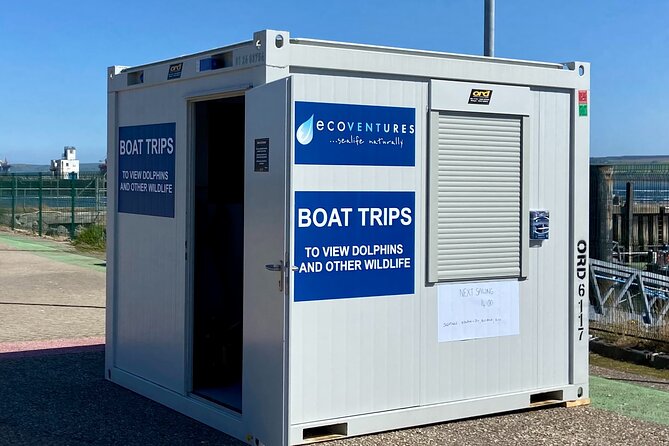
The tour starts at the EcoVentures Kiosk at the West Harbour at Invergordon, address 37 Shore Rd, IV18 0EH. If you’re arriving by cruise ship and docking at West Quay, plan to use the free shuttle bus. Its first stop is just across the road from the meeting point, so you avoid a long walk while your ship unloads.
In the first stretch on land, the crew does two useful things. First, they run a safety briefing that’s specific to your boat and the sea conditions they expect. Second, they kit you up with wet weather gear and lifejackets before you even reach the pontoon. That means you can focus on what matters, getting offshore and keeping your eyes up for birds and sea mammals.
More Boat Trips in Invergordon
- Invergordon Cruise Excursion to Dunrobin Castle, Dornoch and more★ 5.0 · 58 reviews
- Invergordon Cruise Excursion to Loch Ness and Outlander Sites★ 4.5 · 56 reviews
- Invergordon Cruise Excursion – Castle ,Whisky and History Tour★ 5.0 · 37 reviews
- Invergordon cruise excursion Small Group Dunrobin Castle & More★ 5.0 · 10 reviews
The RIB boarding moment: step down, balance, and non slip shoes
This is a boat tour with a bit of physical reality. You will move from the pontoon to a rigid inflatable boat (RIB). There’s a step down, and passengers need a degree of agility and balance to manage it.
This matters for two reasons. One, you want that step to feel routine, not stressful. Two, once you’re on the boat, you’ll be moving slightly as the skipper changes course and the boat runs faster at points. The tour asks for moderate physical fitness and good mobility for boarding.
So do your part. Wear flat soled, non slip footwear that won’t turn into a skating rink the moment you board. Dress warmly, even in mild weather, because wind + water spray can cool you fast. And keep your belongings simple, you do not want a bag situation while you’re trying to brace yourself.
Cromarty Firth approach: oil rigs, sea stories, and the HMS Natal stop
Once you’re aboard, you’ll head into the waters of the Cromarty Firth. Early on, your local guide points out the oil rigs and explains the local industry. That kind of context helps you spot what you’re looking at. You’re not just seeing industrial shapes in the distance, you’re learning what they mean for the coast, the water, and the wildlife that lives around it.
Then comes one of the most emotionally grounded stops of the trip, a visit to the HMS Natal war grave. It’s brief, but it adds weight to what could otherwise be a pure sightseeing day. The Cromarty Firth has a wartime role, and this stop makes that connection tangible.
Throughout this phase, the skipper and guide stop regularly when possible. You’ll have chances to ask questions rather than getting rushed through the whole experience. If you like tours that teach you how to read the water, this part is where it starts to pay off.
Past Cromarty through the Sutors: forts on cliffs and seabird timing
If conditions permit, the skipper then leaves the Cromarty Firth and heads out past the historic town of Cromarty through the Sutors, toward the Inner Moray Firth. On the water, you’re watching for the imposing war fortifications on the cliffs. They’re a strong reminder of the Firth’s wartime importance, and you get to view them from a perspective many people never see.
This section also sets up your bird spotting. Seabird colonies are to the north, and the best time of year to see the birds is late April through end of July. If your dates land outside that window, you may still spot seabirds, just not at the same intensity.
Expect to look for species such as guillemot, razorbill, cormorants, shags, kittiwakes, and fulmar nesting on cliffs and in surrounding waters. The key is how the crew guides your scanning. You’re not just staring at a distant line. You’re getting help matching what you see to what’s likely nesting in that area.
More sailings out past the skerries:
- Invergordon Cruise Excursion PRIVATE Tour
★ 4.5 · 9 reviews - Invergordon Cruise Tour Loch Ness and Culloden
★ 5.0 · 5 reviews - Invergordon Cruise Ship Tour Dunrobin Castle, Dornoch, Distillery
★ 5.0 · 3 reviews - Loch Ness & Highlands Small-Group Tour from Edinburgh with Cruise
★ 4.5 · 6,022 reviews
Open water wildlife hunting: dolphins, seals, and the joy of not knowing
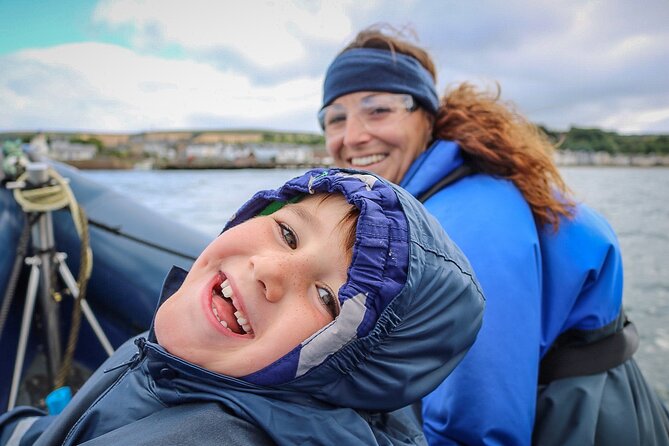
As the boat moves farther out, your experienced local skipper guides you to as many wildlife hotspots as possible. Wildlife can show up anytime during the trip, so keep your eyes open from when you leave the harbour.
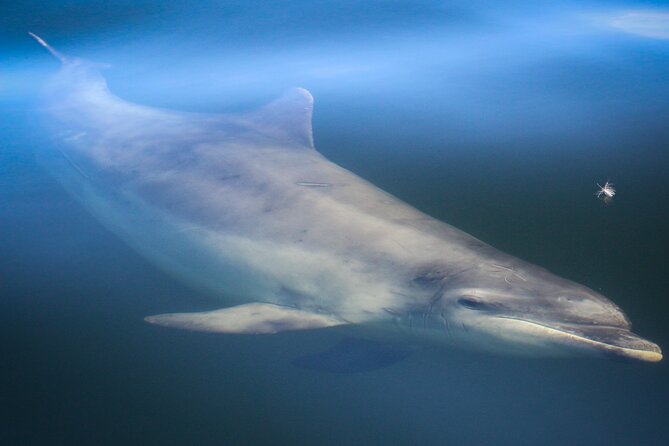
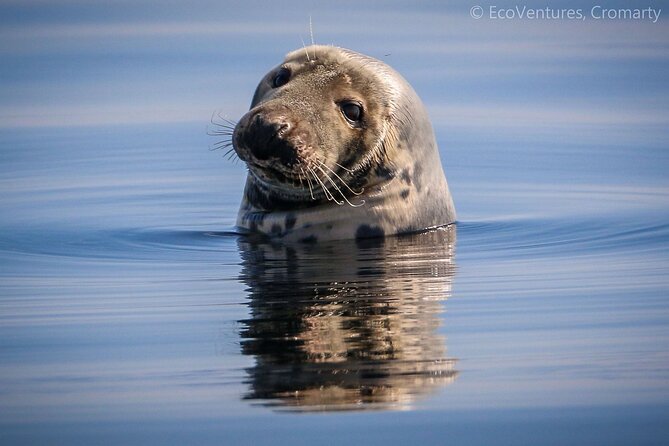
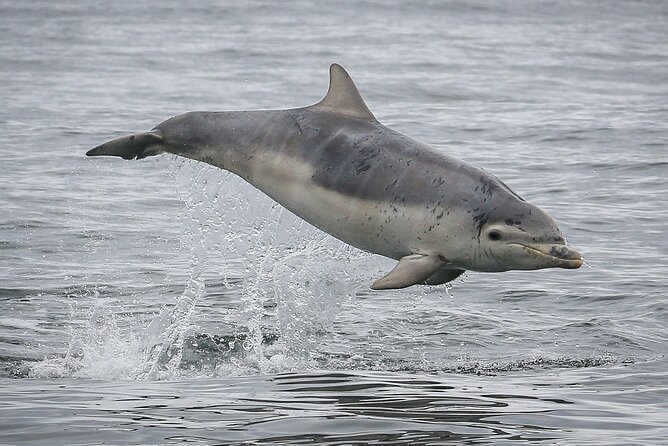
Your chances include a resident colony of bottlenose dolphins, harbour porpoise, seals, and the occasional minke whale. That list is the real reason people buy this tour. It’s a chance to see marine wildlife close enough to feel real, not just far-off specks.
Here’s the practical part I appreciate: the team keeps a record of recent sightings. Your guide can advise what has been spotted recently, which helps you understand whether today is likely to deliver a particular species or whether you should adjust your expectations.
Also, keep it honest in your head. Wildlife is wild. There are times you won’t see much, and there are times you’ll see a lot. The tour does not guarantee sightings, and no refund is offered if you don’t spot the animals you hoped for. That policy may sound strict, but it’s also accurate to how wildlife watching works.
Seating on the RIB: why the back row can be tough

One detail that really affects your enjoyment is where you sit. The boat goes faster during manoeuvres at points, and people in the very back row can get soaked with sea spray. When that hits, you may find you are covering your face or losing the ability to look around comfortably.
If you want the best views and the least spray frustration, aim for the front seats. Even when everyone stays upright, seating location changes your comfort level and your ability to scan for birds and dolphins.
What you actually get for the price in US dollars
The price is $102.28 per person for an approximate 2 hours and 30 minutes. That’s not a bargain price, but it is a fair one when you compare what you receive: time on the water, a small group capped at 12, wet weather gear and lifejackets provided, and an expert local guide who works the route and keeps you informed during stops.
The small group aspect is the value lever here. With fewer people on board, your questions get heard and wildlife spotting feels less like waiting your turn. Also, the mix of themes helps. You’re not stuck with only birds, only history, or only a scenic cruise. You get oil rig explanations, a war grave stop, and then wildlife hunting in two different firths.
A small comfort touch is part of the experience too. One rider described hot chocolate and biscuits on board as a welcome extra. Even if you’re dressed for the weather, warm sips can make the second half of the trip more enjoyable.
Weather, rain, and sea spray reality checks
The company notes that weather can be changeable, and they do not cancel for rain. That is normal for a coastal boat trip, but it’s still something you should plan for. Wet weather gear is provided, but you should still dress warmly under it so you don’t end up cold and uncomfortable during the ride.
There is also a weather requirement for operating safely. If the tour is canceled due to poor weather, you’ll be offered a different date or a full refund. This keeps the day from turning into a safety issue. In other words, they will not push it just to keep your calendar.
Toilets, time on the clock, and how long 2.5 hours feels
There are no toilet facilities aboard the boat. That’s the kind of item you want to know early so you can plan your fluids and timing. If you’re sensitive to that kind of thing, this is the biggest on-board practical limitation.
The total duration is about 2 hours and 30 minutes. On rougher days, that time can feel faster because you’re bracing and watching constantly. On calm days, it can feel like the skipper is searching forever for the next hotspot, and that can be thrilling if you like the hunt.
The tour runs within the day hours listed for the operator, with Monday through Sunday 8:00 AM to 5:30 PM. Exact departure times can vary by date, so check your confirmation details when you book.
Who this Invergordon RIB tour suits best
This tour is a great fit if you want a mix of wildlife and context. You’ll enjoy it if you like learning what you’re seeing, from oil rigs and wartime sites to why certain seabirds show up in certain seasons. You’ll also like it if you’re comfortable scanning the water for short bursts of activity.
It’s also a solid family option, as long as the kids meet the age rule. Children must be 12 years and older. That keeps the group moving at a pace that works for the boat operation and the wildlife spotting.
Skip it or consider carefully if you have mobility limits around boarding steps. The step down from pontoon to RIB needs balance. If you are unsure, contact the operator before booking because size and weight restrictions apply and they may advise you directly.
Final verdict: should you book EcoVentures in Invergordon?
I think you should book this tour if wildlife watching is your priority and you like guided, small-group outings that combine marine life with local sea stories. The price makes sense for what you get: 2.5 hours on the water, wet gear and lifejackets, a small group capped at 12, and planned stops that add meaning beyond spotting animals.
I’d hesitate only if you are not comfortable with the physical boarding step or if back seating would stress you out due to spray. If you can handle that and you’re willing to accept that wildlife sightings can’t be guaranteed, this is one of the best ways to experience the waters around Invergordon and get a real sense of how the firths work.
FAQ
What is the duration of the Wildlife Watching Boat Tour?
The tour lasts approximately 2 hours and 30 minutes.
Where do we meet in Invergordon?
You meet at the EcoVentures Kiosk at the West Harbour, 37 Shore Rd, Invergordon, IV18 0EH, UK. The activity ends back at the meeting point.
Is the ticket digital or paper?
You use a mobile ticket.
What language is the tour offered in?
The tour is offered in English.
Is wet weather gear and a lifejacket provided?
Yes. The skipper and guide provide a safety briefing and kit you up in wet weather gear and lifejackets.
Are there toilets on the boat?
No, there are no toilet facilities aboard the boat.
Can children join?
Children must be 12 years and older.
Is wildlife spotting guaranteed and do I get a refund if I do not see animals?
Sightings cannot be guaranteed, and no refund is offered if you do not see wildlife.
What wildlife might I see on this tour?
You may see bottlenose dolphins (resident colony), harbour porpoise, seals, and occasionally a minke whale. You can also spot seabirds like guillemot, razorbill, cormorants, shags, kittiwakes, and fulmar, depending on conditions and season.
What physical abilities do I need?
You should have moderate physical fitness. You also need good mobility to manage the step down from the pontoon to the boat.
More Wildlife in Invergordon
- Wildlife Watching Safari by Vehicle & Walks / Photography workshops with a Guide
★ 5.0 · 49 reviews - Discovery Wildlife Safari
★ 5.0 · 8 reviews - Walking Wildlife History Tour in Edinburgh
★ 5.0 · 5 reviews - Highland Cows, Walk Alpacas & Scottish Wildlife Centre from Edin.
★ 5.0 · 4 reviews
The newest pours out of Invergordon


Cruises & Boat Tours, compared.
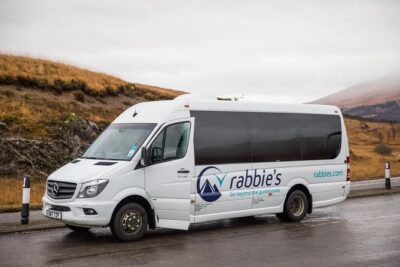
Loch Ness & Highlands Small-Group Tour from Edinburgh with Cruise
Read our review →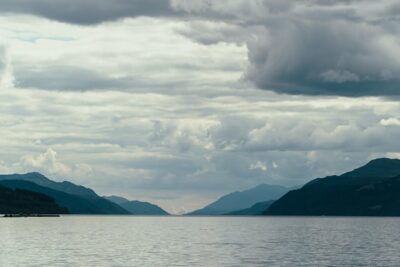
Loch Ness Cruise, Outlander & Urquhart Castle Tour from Inverness
Read our review →
Loch Ness & the Highlands Day Tour from Glasgow Including Cruise
Read our review →
Loch Ness and Caledonian Canal 2-Hour Cruise from Dochgarroch
Read our review →
Loch Ness 1-Hour Cruise with Urquhart Castle Views
Read our review →
Loch Ness Cruise and Urquhart Castle visit from Inverness
Read our review →
Stirling Castle, Loch Lomond and Cruise Day Tour from Glasgow
Read our review →
Browse the lists this tour appears in